Amazigh hospitality in the High Atlas: a living tradition of sharing
In the mountains of the Central High Atlas, Amazigh hospitality goes beyond tourism. Inherited from centuries of life in a mountain environment, it is based on unconditional welcome, the sharing of resources and a human relationship based on trust. A tradition that is still alive, shaped by the rhythm of the valley and those who inhabit it.
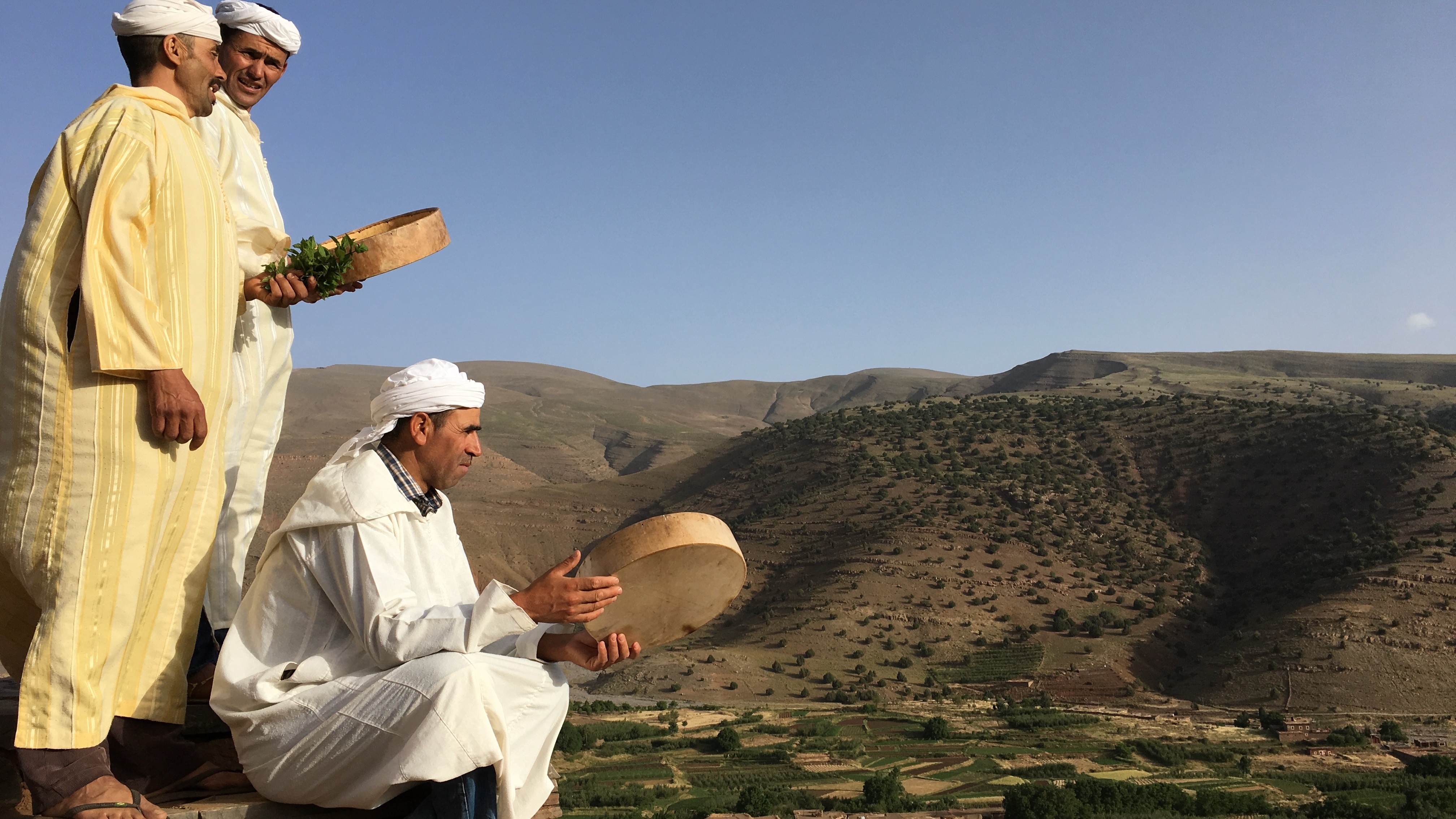
In the mountains of the Central High Atlas, Amazigh hospitality is neither a tourist slogan nor a fixed tradition. It constitutes a essential social practice, deeply rooted in the daily life of mountain populations. Welcoming others is part of the collective balance, in the same way as agriculture, breeding or community support.
Here, hospitality cannot be told: it is Vit, to the rhythm of the valley, the seasons and those who live there.
Hospitality shaped by the mountains
In an environment that was long isolated, subject to the rigors of the climate and to the permanent mobility of men and herds, welcoming foreigners was a matter of vital necessity. Travelers, traders, transhumant shepherds or simple passers-by depended on the reception of villages to feed themselves, rest or protect themselves.
From this reality was born a real Amazigh hospitality code, based on three fundamental principles:
- unconditional welcome, regardless of origin or status,
- sharing, even when resources are limited
- collective responsibility, where the host engages in the honor of the family, or even of the whole village.
Even today, these values structure social relationships, even in the most remote valleys of the High Atlas.
Welcoming is receiving at home
In Amazigh culture, welcoming means above all Open your house. The visitor does not enter a neutral space, but into an inhabited place of life, full of stories and family ties.
The gestures are simple, precise and meaningful:
- offer water or tea upon arrival
- invite you to sit down before any discussion,
- take the time, without haste.
Mint tea, which is often served several times, is not a formal ritual. It scores a Social time, a moment of listening and availability, where speech comes slowly.
A shared cuisine, rooted in the land
Amazigh hospitality is fully expressed around the meal. The cuisine, local and seasonal, is based on the resources of the territory and collective work.
Vegetable tagines from the garden, traditional baked bread, rancid butter, mountain honey or wild herbs tell as much about the way of life as the surrounding landscapes.
The meal is generally shared in the same dish, according to a tacit organization that respects age, guest status and local customs. This moment is central: it creates a immediate link, without staging or contrivance.
A relationship based on trust, not service
In Touda, contrary to classical hotel logic, Amazigh hospitality is not based on the distance between “customer” and “service provider”. It is part of a direct human relationship, based on trust, respect and reciprocity.
Sharing the rules of the house, explaining how the ecolodge works, inviting people to participate when appropriate in daily activities (baking bread, agricultural work, walking to the pastures) is an integral part of this relationship.
This approach allows a real immersion, far from standardized tourist circuits.
Hospitality that is evolving, but still alive
Amazigh hospitality is not fixed in the past. It evolves with social transformations, schools, migrations and tourism. But she remains alive when she is carried by the inhabitants themselves, and not transformed into a decoration or a product.
It continues to be based on:
- respect for the rhythm of the mountain,
- the social balances of the valley,
- the dignity of those who welcome.
Giving meaning to the stay
For travelers in search of meaning, Amazigh hospitality offers much more than just accommodation:
- a detailed understanding of the territory,
- an authentic encounter with its inhabitants,
- a lasting human experience.
Far from formatted speeches, she remains a Way of being in the world, based on sharing, sobriety and a long time.
Auteur
Saïd Marghadi
Publié le
Feb 24, 2018
Partager