In Morocco, transhumance is still resisting... but for how long?
In the Atlas Mountains, some families continue to follow the paths of transhumance, an ancestral heritage based on the balance between man, animal and land. Today, under the pressure of climate change, rural exodus and precariousness, this age-old way of life is weakened. How much longer can it last?
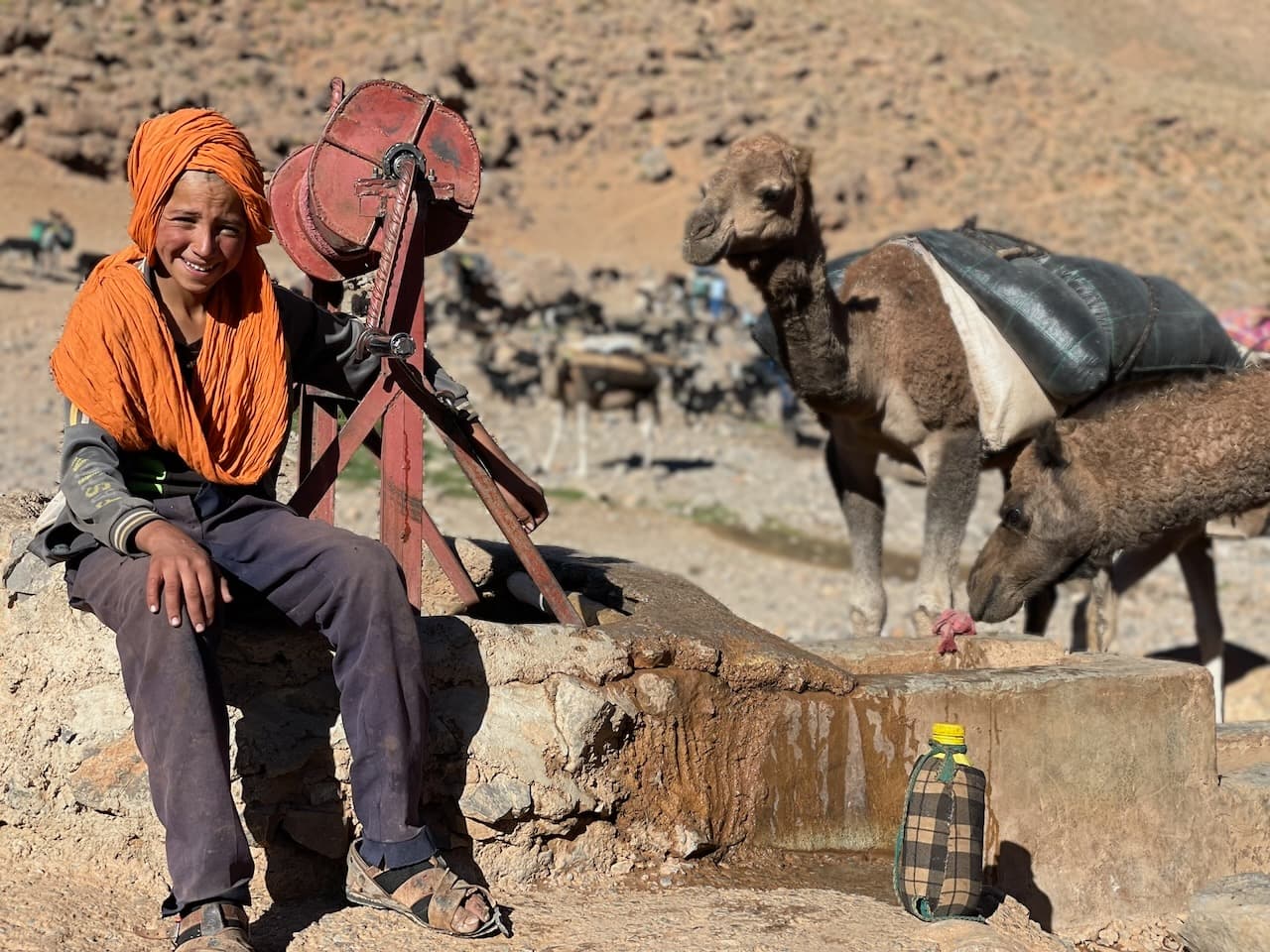
Long considered marginal or archaic, pastoralism is now recognized globally as an essential pillar of territorial sustainability.
The United Nations General Assembly thus proclaimed The year 2026 International Year of Rangelands and Pastoralists, stressing the importance of these spaces that cover almost half of the planet's land. These rangelands shelter exceptional biodiversity and ensure the sustenance of millions of pastoral communities, holders of valuable local and indigenous knowledge, passed on from generation to generation.
In Morocco, this international recognition echoes a fragile reality.
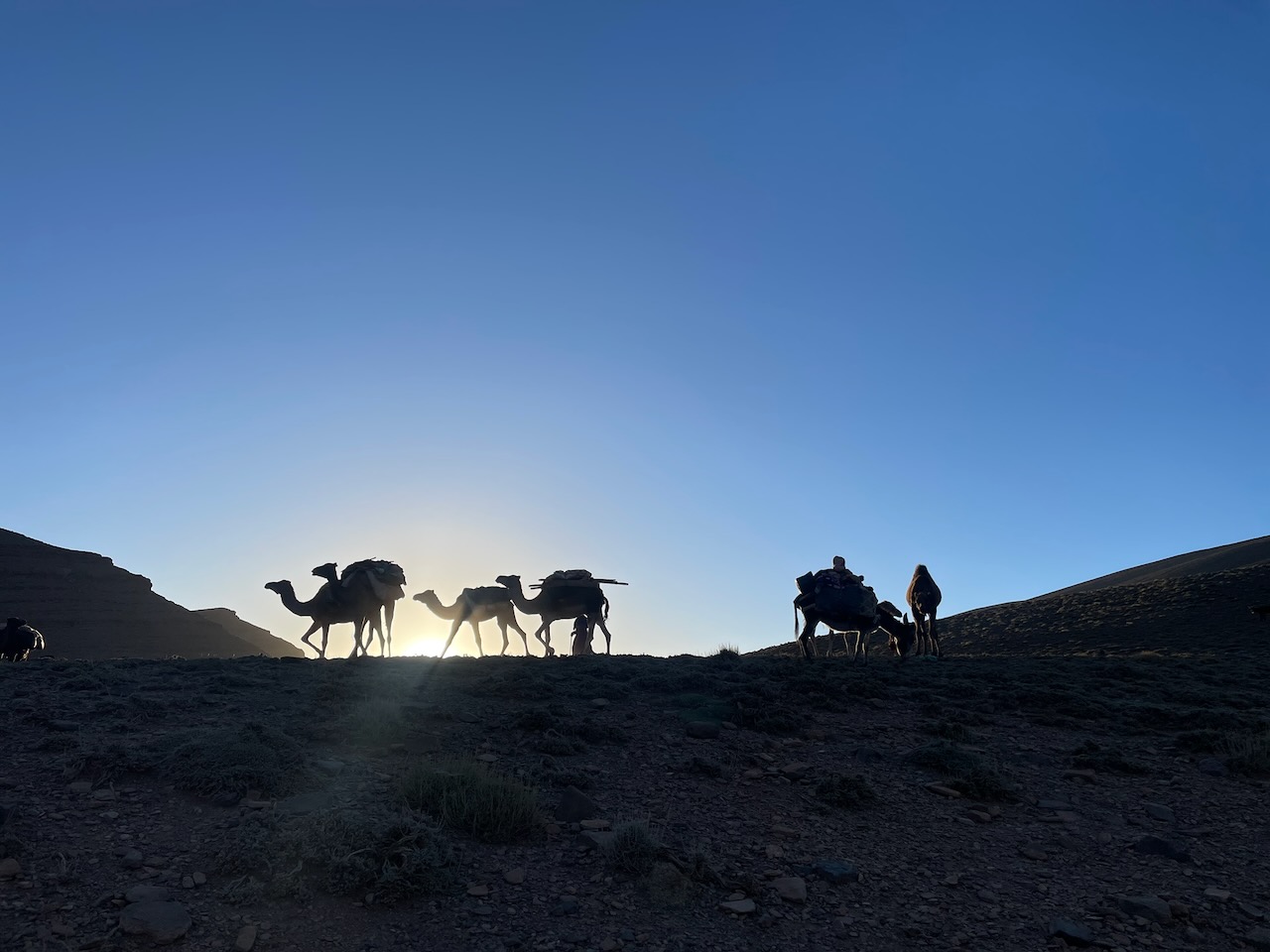
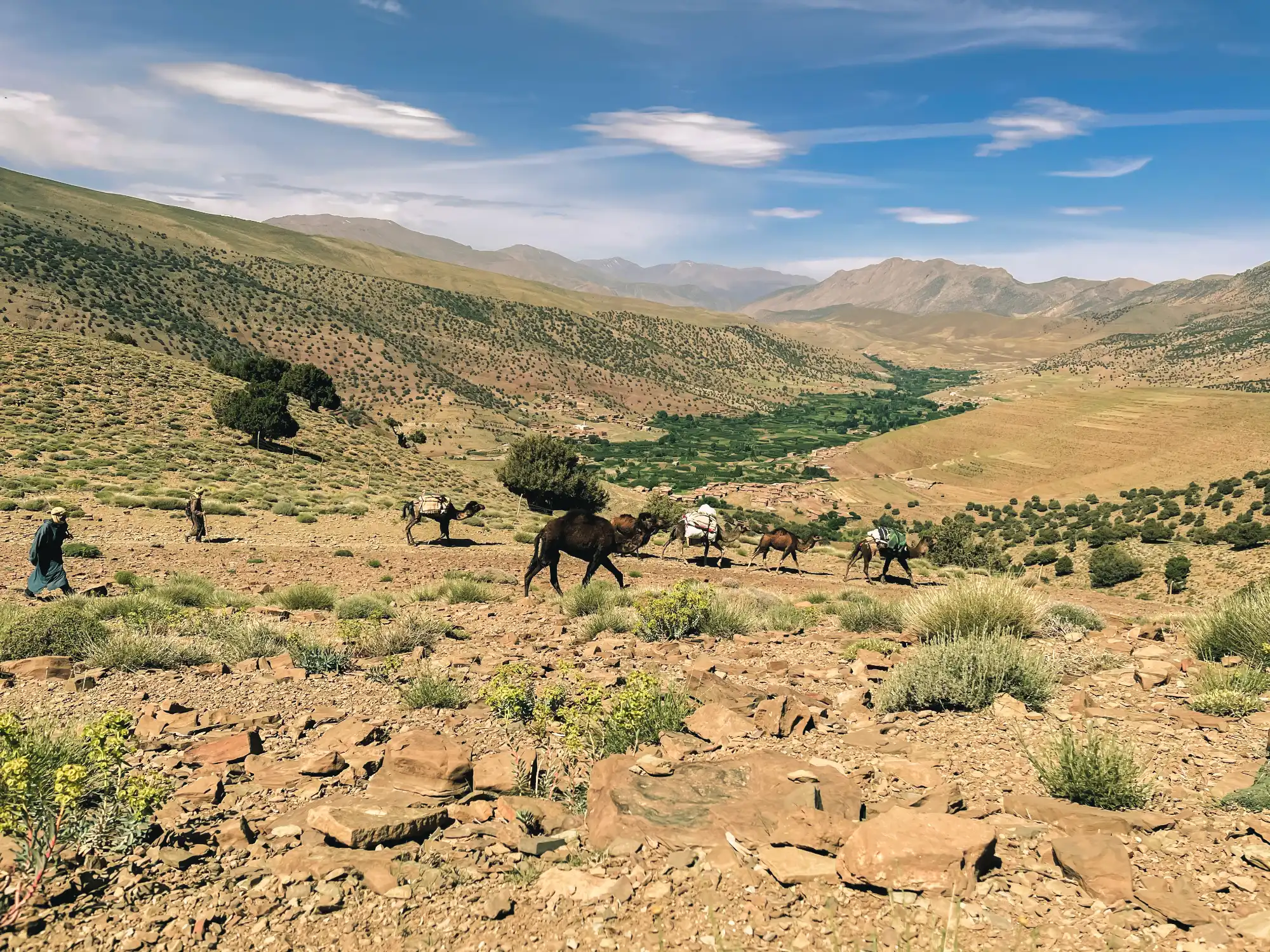
The Ben Youssef family has just completed a journey of more than fifteen days from Jbel Saghro, in the Anti-Atlas. A challenging seasonal migration, punctuated by bivouacs, long walks and uncertain expectations, until reaching Igourdane, a vast collective pasture of nearly 12,000 hectares. Here, goats, sheep, camels and donkeys will spend the summer feeding on fresh herbs, far from the extreme heat of the south.
These lands are called Agdal, an Amazigh word meaning “forbidden” or “protected.” For centuries, this community management system has regulated access to pastures. Each spring, the agdal is closed in order to allow the regeneration of the vegetation. Only in summer are herds allowed to enter it, according to strict rules defined collectively by local tribes.
Across Morocco, from the Atlas Mountains to the Saharan margins, the agdals have long helped preserve soils, biodiversity and the livelihoods of pastoral communities. A fragile balance, based on oral transmission, solidarity and a detailed knowledge of natural cycles.
But today, that balance is wavering.
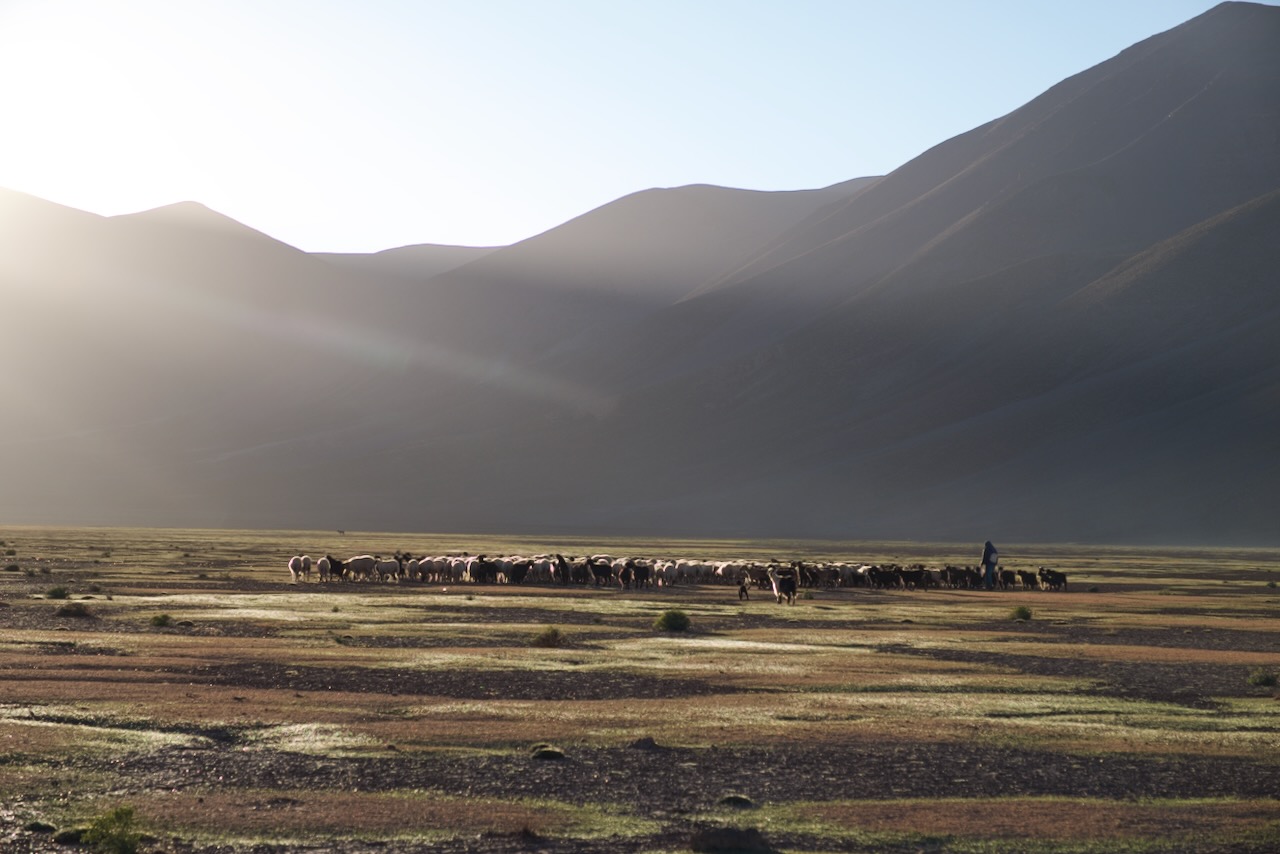
“The seasons are no longer the same,” says Lahssen, the father of the family. Droughts are repeated, rains are becoming unpredictable. Climate change is exacerbating precariousness that has already existed: lack of access to water, increased cost of livestock feed, lack of basic services.
Faced with these difficulties, more and more families are giving up transhumance. Young people leave for cities, attracted by school, paid work or simply a less rough life.
As a result, the agdals are emptied. And when they are no longer respected, the consequences are immediate: overgrazing, soil erosion, gradual disappearance of certain plant species. This ancestral system, although recognized by many researchers as a model of sustainable management, risks disappearing in indifference.
Ironically, at the very moment when the planet is looking for solutions to the ecological crisis, traditional pastoral practices are showing their relevance. Several studies show that territories managed by local and indigenous communities now concentrate a major part of global biodiversity. The Moroccan agdals are an emblematic example.
However, their institutional recognition remains limited.
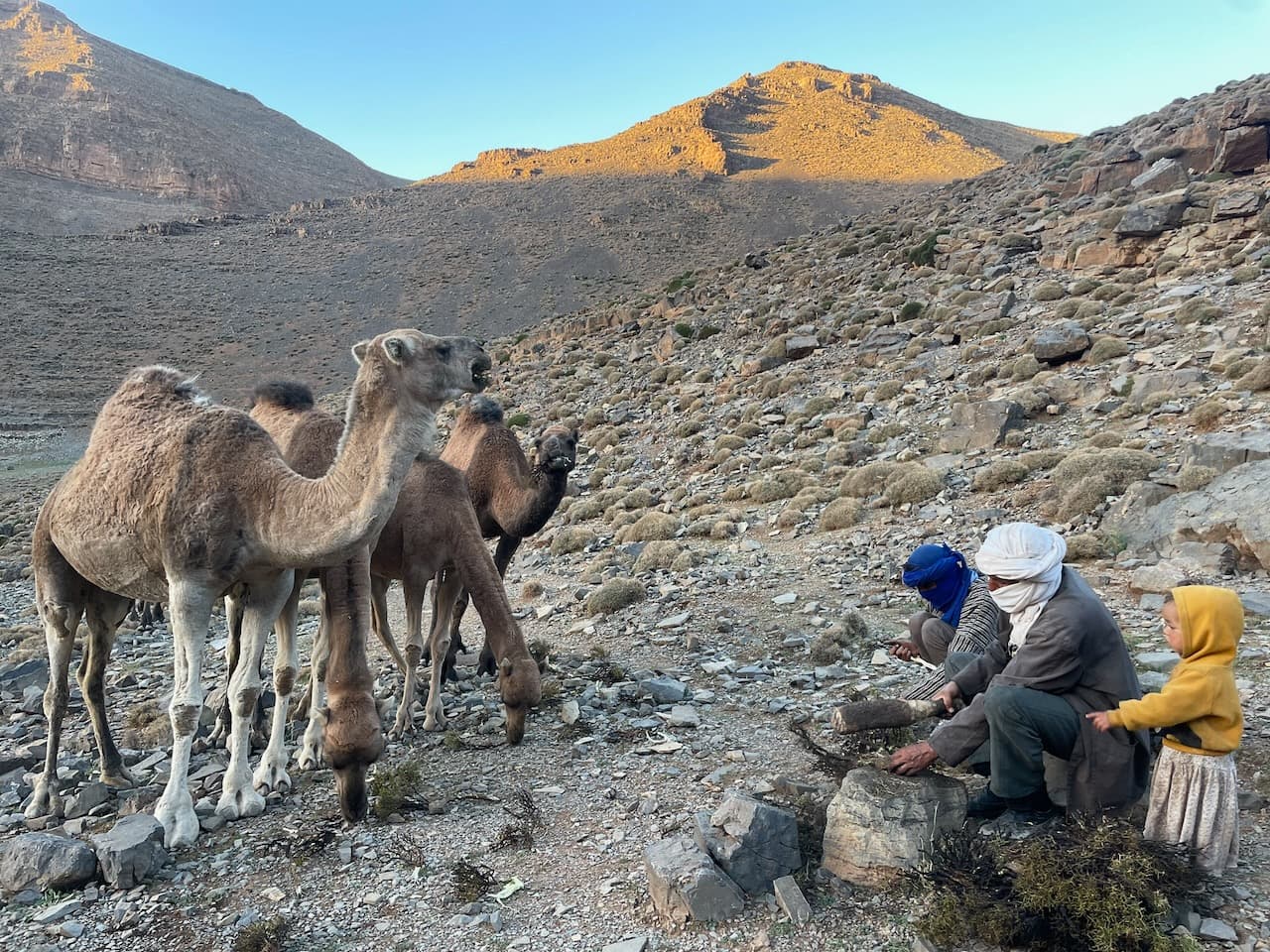
In the camp, at dusk, the goats slowly return. The mountains are tinged with orange and purple. The gestures are ancient, repeated for generations. But the future is uncertain.
“I want my children to have a better life,” explains Lahssen, who has chosen to send her daughters to school, breaking with tradition. An intimate choice, indicative of a wider shift.
If transhumance were to disappear, it would not only be a way of life that would die out, but precious knowledge on how to live sustainably in fragile territories.
In the Moroccan mountains, the question is no longer whether this world is changing but whether it will still be there tomorrow.
Auteur
Saïd Marghadi
Publié le
24 Jan, 2026
Partager