Why Ecolodges Are Transforming Tourism Demand in Morocco
Ecolodges are redefining the tourism competitive landscape: the room is no longer the primary product; it's the overall experience that drives bookings. They help rebalance Morocco's tourism landscape and emerge as a key driver of sustainable regional development.
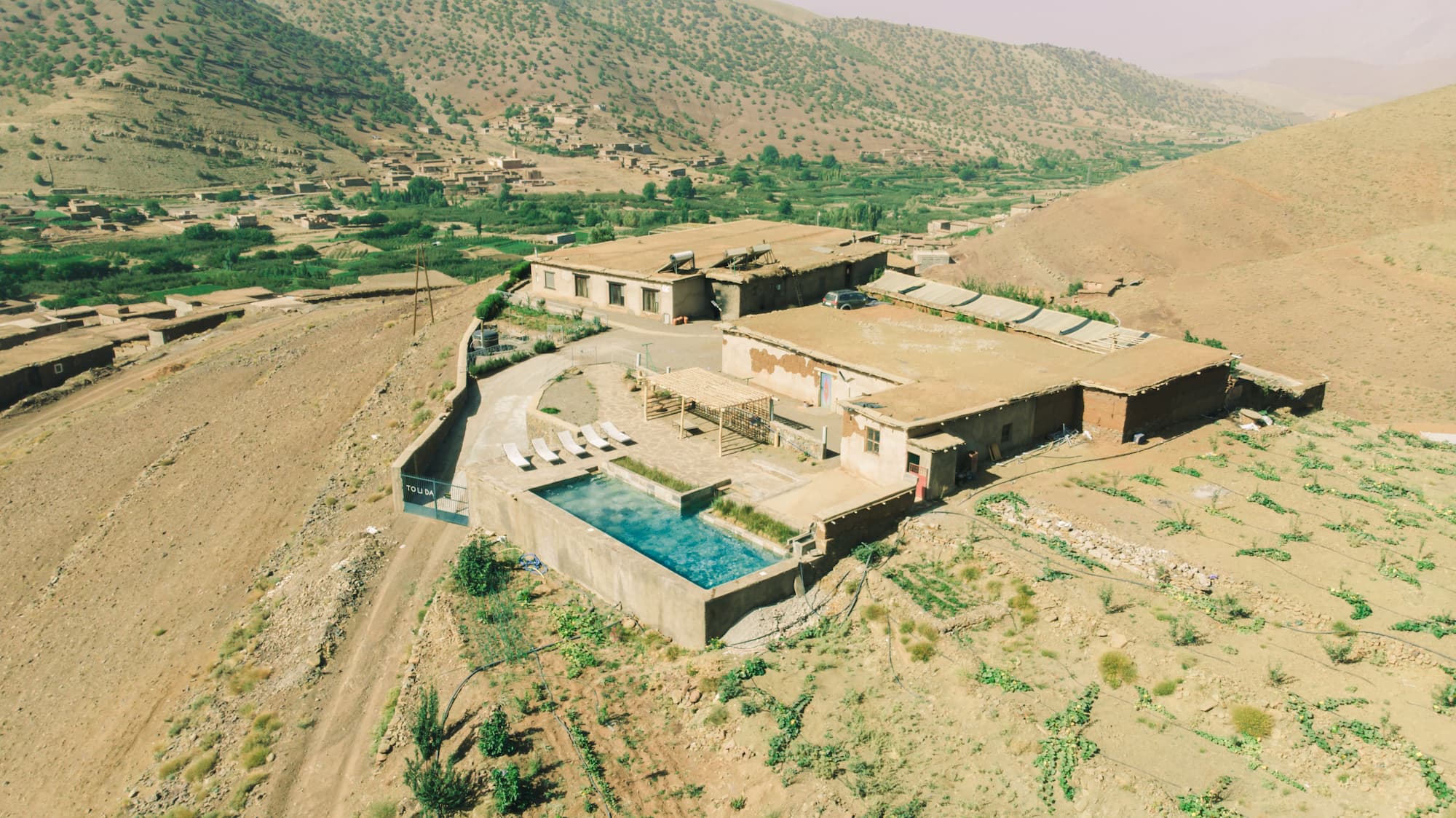
In Morocco, traveler expectations are evolving rapidly. Long dominated by urban hotels, seaside resorts, and conventional accommodations, the tourism sector is now seeing a new form of hospitality emerge: ecolodges and accommodations integrated into their natural and cultural environment.
This evolution responds to a growing demand from travelers seeking authenticity, nature, human connection, and meaningful experiences. In the Atlas Mountains, the southern oases, or desert areas, ecolodges are gradually becoming major players in Moroccan sustainable tourism.
Travelers are now looking for experiences rather than just rooms
One of the main transformations observed in global tourism concerns the shift from an accommodation-centric approach to an experience-centric one.
Today, many visitors no longer choose a hotel solely based on its comfort or location. They are looking for stays that allow them to discover a region, a culture, and a way of life.
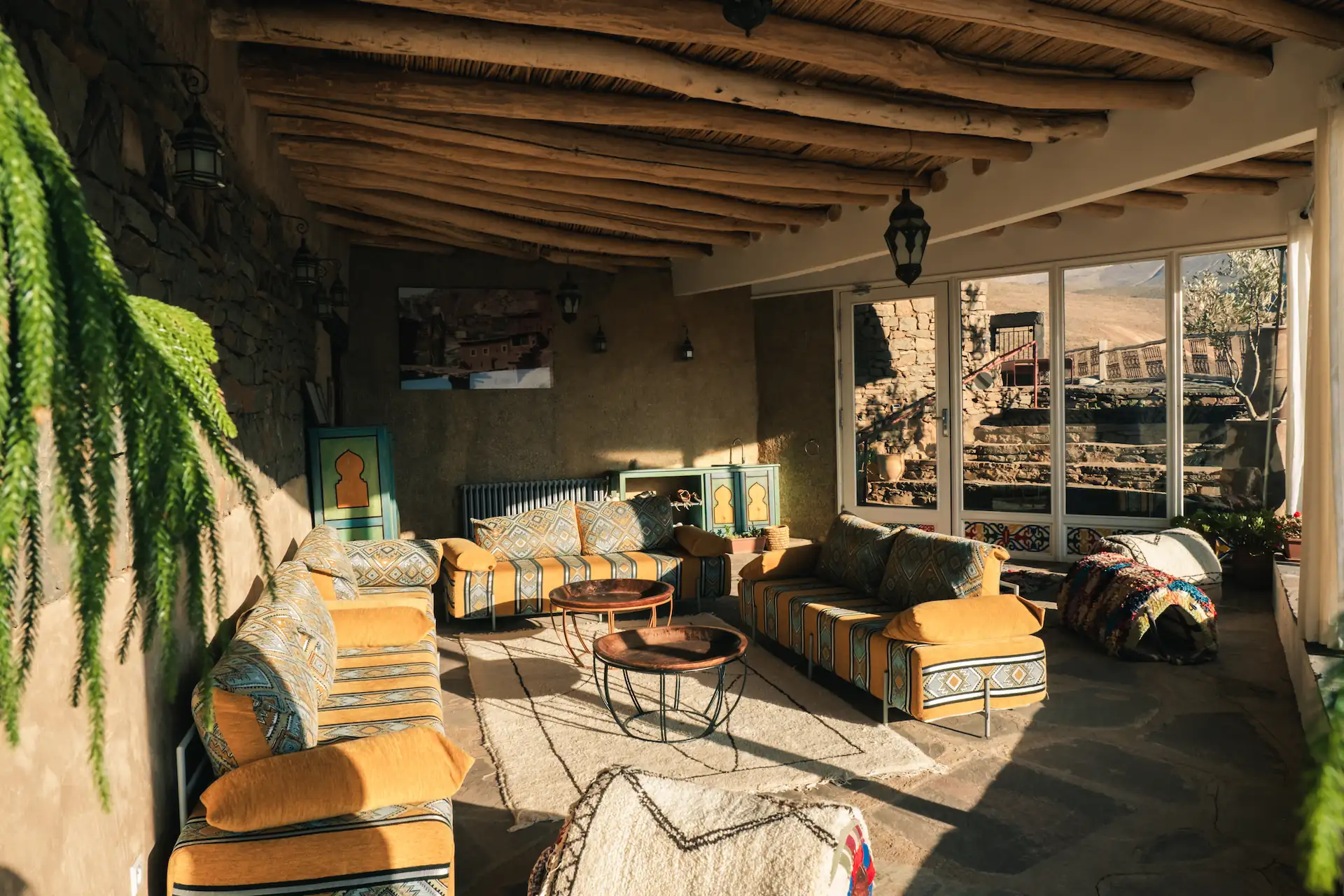
Ecolodges perfectly meet this new demand. They offer immersion in Morocco's natural landscapes while ensuring a level of comfort adapted to the expectations of contemporary travelers.
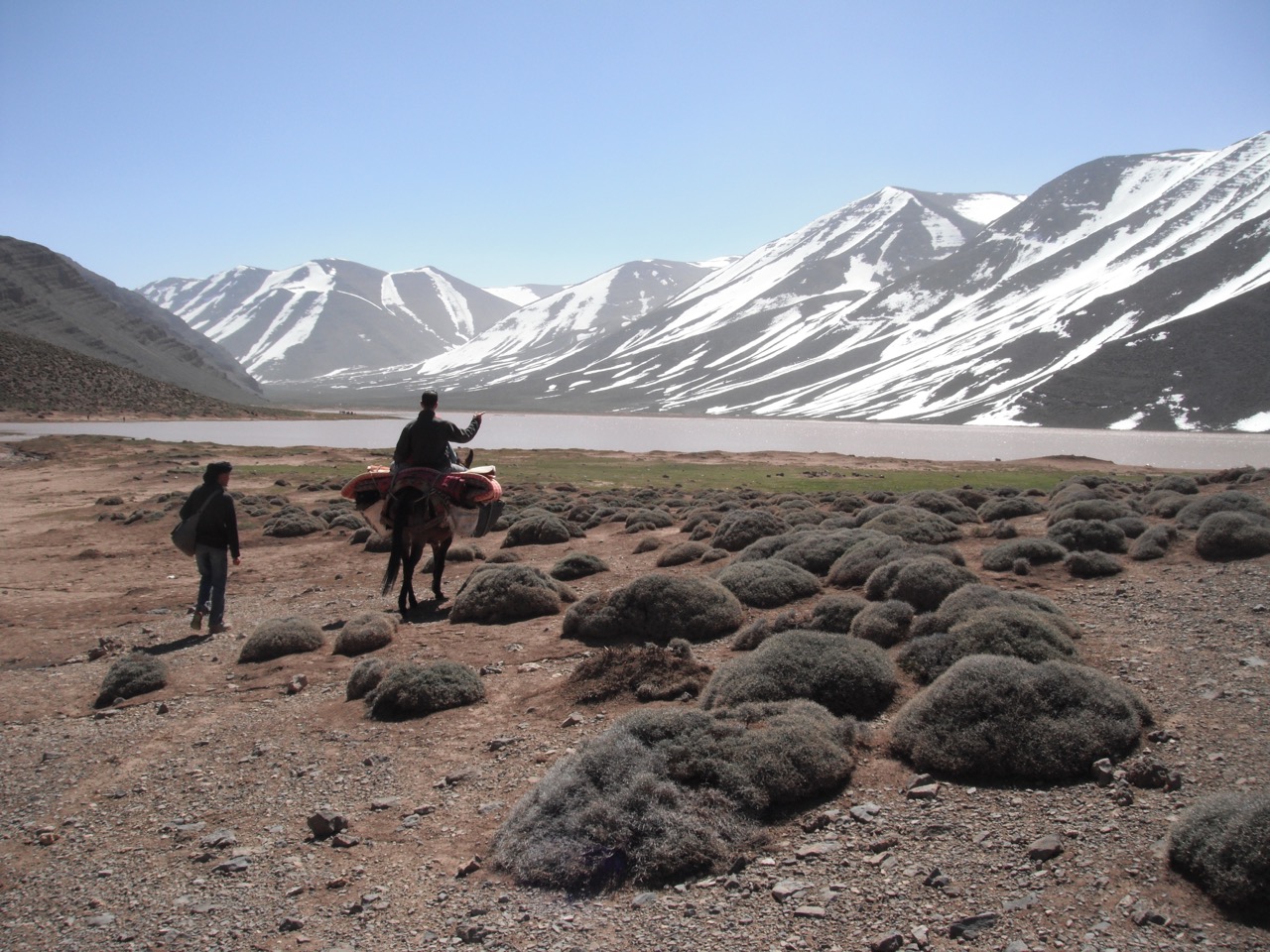
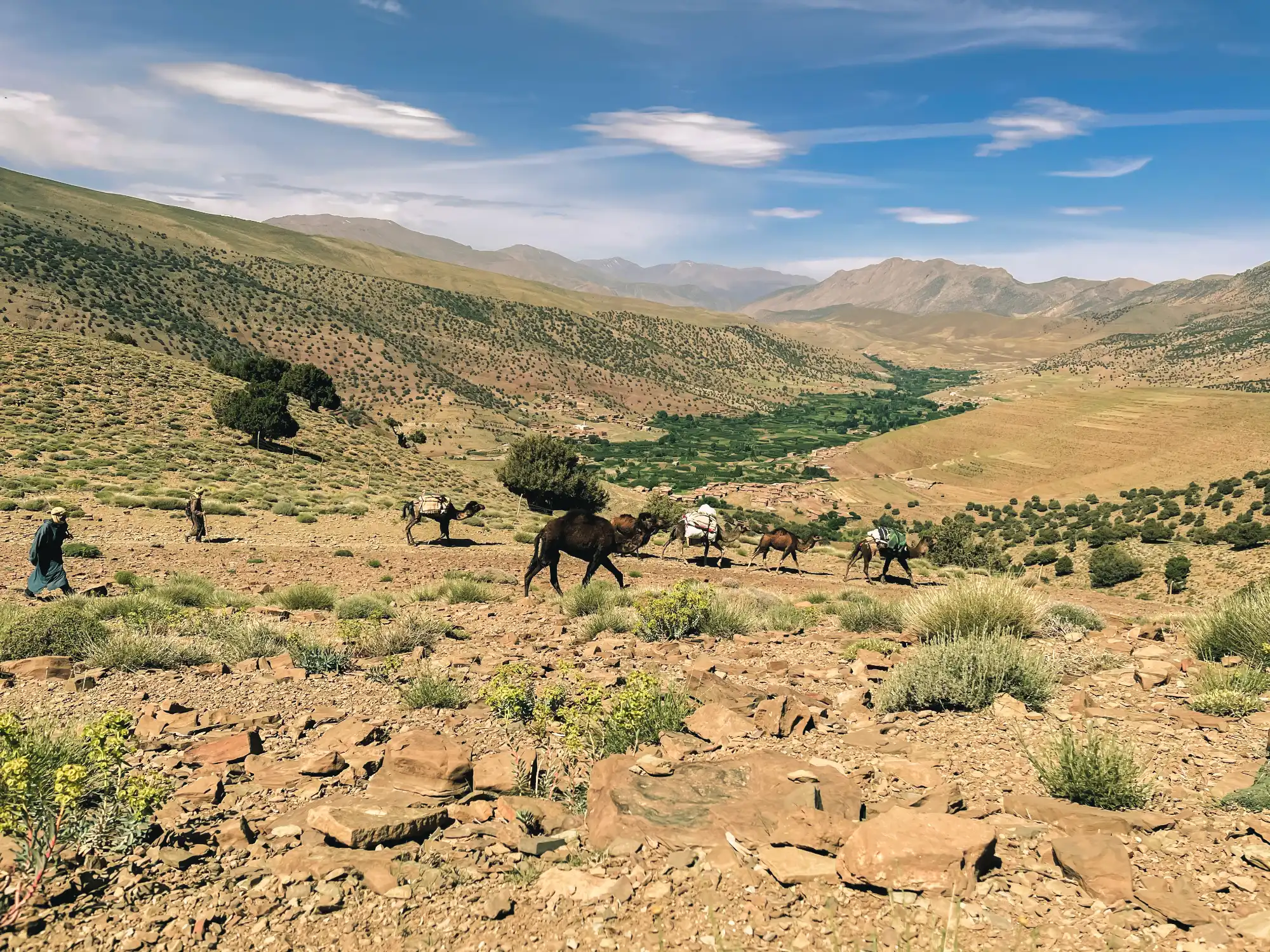
Sleeping facing the peaks of the High Atlas, participating in the preparation of a traditional meal with locals, discovering local craftsmanship, or exploring hiking trails becomes an integral part of the stay.
In this context, the room is no longer the main product: it's the overall experience that drives the booking.
Ecolodges are redefining competition in tourist accommodation
This evolution profoundly changes how tourists choose their accommodation.
A traveler who wants to discover the Atlas valleys, gorges, lakes, or natural areas no longer just compares different hotels with each other. They now compare stay experiences.
An ecolodge well-integrated into its environment can thus effectively compete with a classic hotel thanks to its authenticity, natural setting, and ability to create a more human relationship with visitors.
This trend is particularly visible among European travelers, ecotourism enthusiasts, hikers, families, and new generations of tourists who prioritize the quality of the experience over the standardization of services.
Rural areas are becoming destinations in their own right
The rise of ecolodges should also contribute to rebalancing Morocco's tourism geography.
For a long time, most investments were concentrated in major tourist cities and coastal areas. Today, rural regions that were previously undervalued are attracting an international clientele thanks to their natural and cultural heritage.
Ecolodges play an essential role in this dynamic. They enable the transformation of villages, valleys, and mountain regions into genuine tourist destinations.
This approach promotes a better distribution of economic benefits and helps combat rural exodus by creating local jobs in accommodation, catering, guiding, crafts, and outdoor activities.
Sustainability is becoming a key criterion for travelers
Environmental awareness is increasingly influencing booking decisions.
Travelers are looking for establishments that limit their environmental impact, value local resources, and contribute to the development of host communities.
Ecolodges have significant advantages in this area:
- use of local materials in construction;
- responsible water and energy management;
- promotion of local products;
- support for local crafts;
- job creation for residents;
- preservation of landscapes and biodiversity.
In Morocco, where many regions boast an exceptional yet fragile natural heritage, these commitments become a real competitive advantage.
For many international visitors, choosing an ecolodge is now a way to directly contribute to the preservation of the regions they explore.
A strategic opportunity for Moroccan tourism
The growth of ecolodges does not mean the disappearance of traditional hospitality. Rather, it reflects a diversification of demand.
Urban hotels will continue to meet the needs of business tourism, cultural tours, and city stays. Ecolodges, on the other hand, respond to the growing demand for nature, well-being, authenticity, and cultural immersion.
This complementarity opens new perspectives for Morocco, particularly in rural and mountainous regions that still have significant tourism potential.
The future of Moroccan tourism no longer relies solely on classic hotel infrastructure. It also depends on the ability of regions to offer authentic, environmentally friendly experiences that create value for local populations.
From this perspective, ecolodges appear not only as a form of accommodation but as a true lever for sustainable territorial development.