
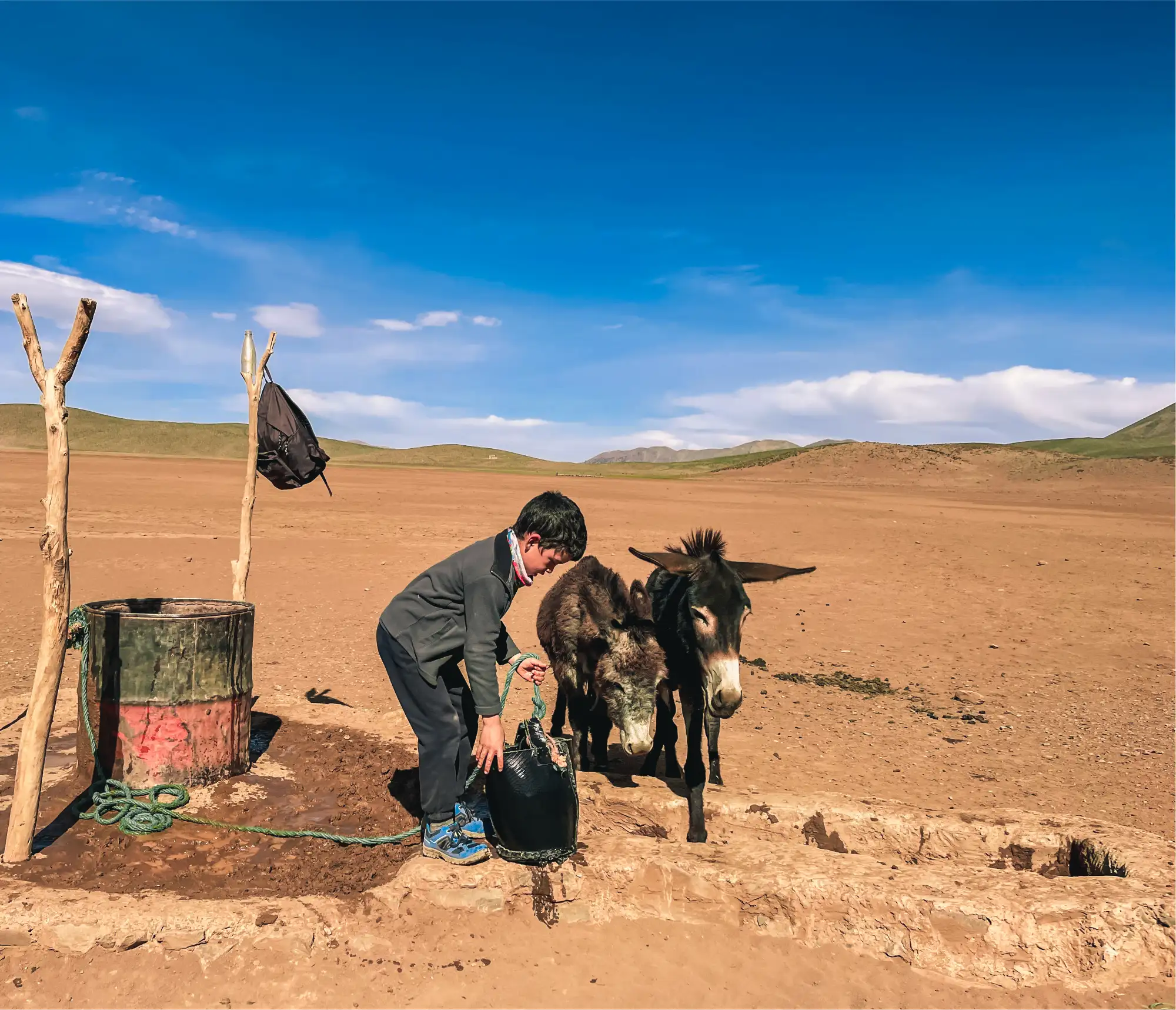
The ecological footprint is an assessment of the pressure that a given population exerts on natural resources. A calculation that highlights the thesis that “several planets” would be needed if everyone consumed and polluted as in the most industrialized countries. First priority, drinking water: in some countries, water is running out, especially the water that we can drink at home, from the tap.
Where it is more yellow than transparent, it is tempting to consume only the bottled one. However, plastic objects are recognized as a monumental plague on nature. Luckily, there are solutions to do without it, such as adding a treatment to sanitize the water (disinfectant tablets, chlorination, etc.). Consideration should also be given to the natural resources that exist, as fresh water is not an unlimited commodity, especially in certain regions of the world.
The strategy to adopt is to align with the habits of the locals. The same goes for food. Prefer to eat local fruits and vegetables. Favoring a diet low in animal matter (meat, fish) is perfect for weakening the “permanently negative” impact on soils and surface water. In particular, meat production is responsible for 14.5% of global human greenhouse gas emissions. Avoid buying prepared and overpacked meals.
Regarding waste, remember to take a container to take away your leftovers. Leaving rubbish behind can have unfortunate consequences in the long term. Even the Internet has an impact: its carbon emissions have now exceeded those of the airline industry. So let's try to let go of social networks while enjoying the trip. Finally, transport has a huge impact on biodiversity.
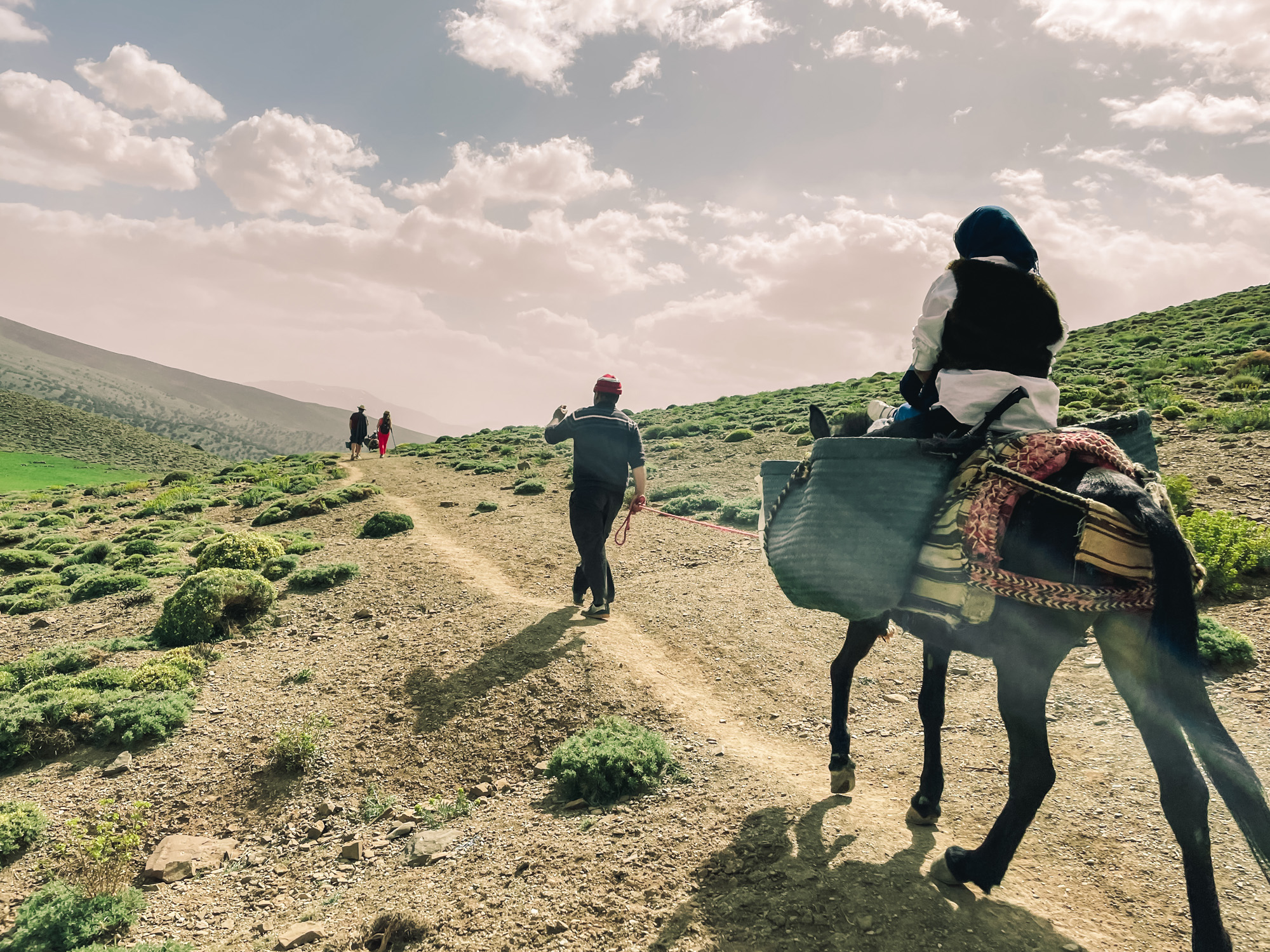
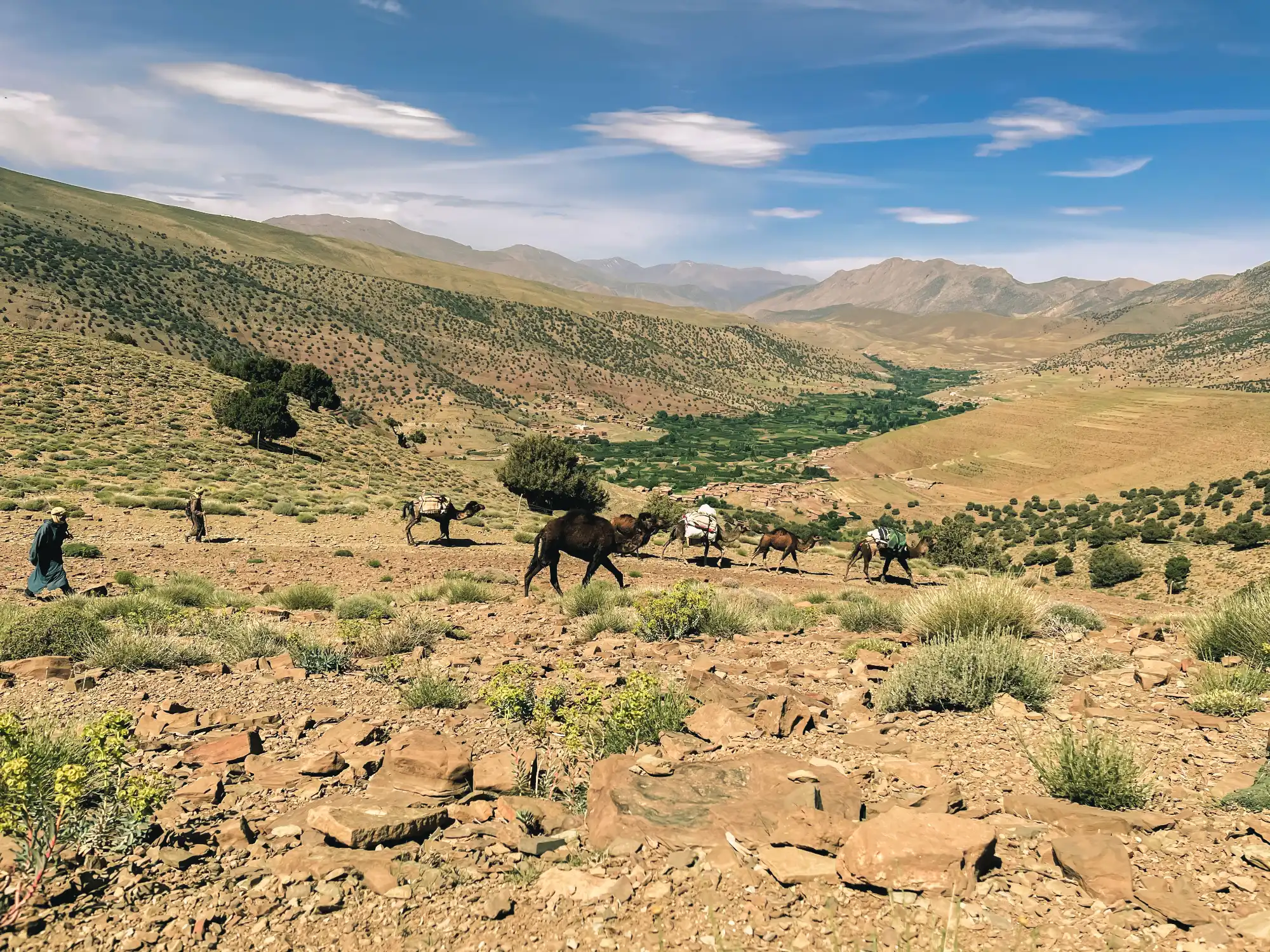
Prefer public transport or the train.
%20(2).webp)

